The night before my Gameplan call, I was reading the client's diagnostic answers.
A coach with a premium program and his first clients about to start. Imagine him as the meticulous type - the kind who takes his time when a question deserves it, and he took his time with Flowie, my AI strategist that runs the Retention Gameplan diagnostic.
Halfway through one answer, he stopped answering the question and started talking to himself:
"Writing this, I can see how momentum would slow for the ones who don't continue."
I didn't find that gap, he did during the actual diagnostic. This sentence doesn't seem like much when you are reading it like this, but it planted a seed for a new way of thinking about proposing renewal offer to current clients.
All he needed was the right question in front of him and enough quiet to answer it.
That's the third client in my last four diagnostics who reached a meaningful a-ha moment before we ever got on a call.
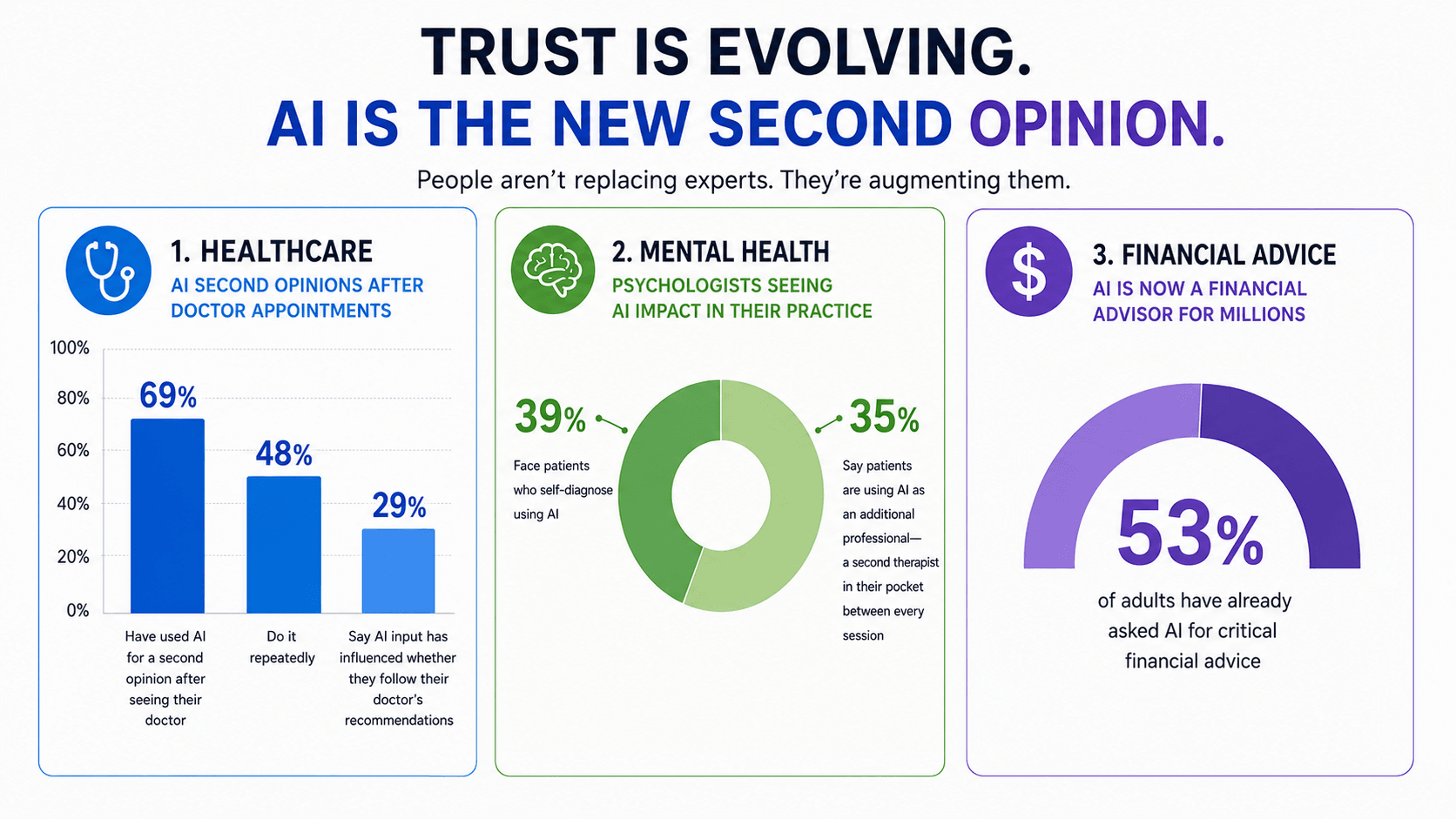
Last letter I told you about the louder voice in your client's pocket - the one that never sleeps, never bills, and never says "I don't know." I told you 69% of patients already use it on their doctors, and I asked what you think your clients do with your advice. That letter left the obvious follow-up hanging:
If your clients are going to talk to an AI about your work anyway, what exactly are you supposed to do about it?
I didn't build my answer on purpose, but I think I found it.
1/ I built it initially for a totally different reason: time
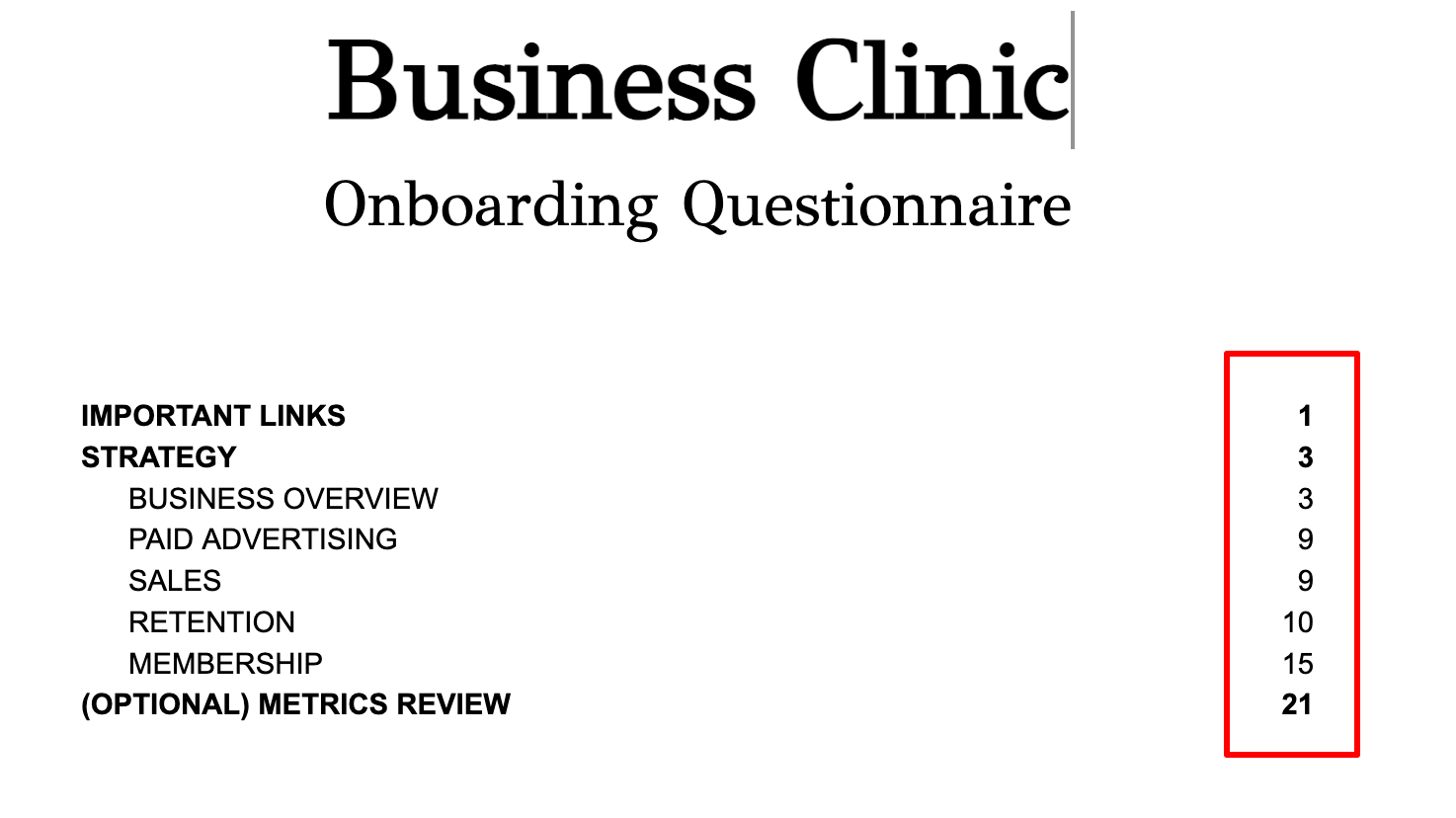
The original diagnostic was a Google Doc with 20+ pages. Clients took forever to fill it in, and I took even longer to review the answers, analyze their business, and prepare a strategy for our 1:1 call.
I actually loved that part. It feels like detective work - you get a pile of clues and have to solve the puzzle of where their revenue quietly walks out. It just wasn't viable.
It took hours per client, before a single call and eventually I stopped offering 1on1 "Business Clinic" service.
But, six months ago I built an AI diagnostic tool (code name FlowMapper) to compress it.
And it worked: what used to drag across days now takes the client 30-45 minutes, and my prep happens while I sleep.
If that were the whole story, this would be a productivity letter, but it isn't.
2/ My biggest fear was that it would ask too much of their time. Then clients started taking longer on purpose
When I asked early clients for feedback, my one real worry was time. I didn't want an AI conversation that costs people more minutes than a basic form.
What happened instead: more than a few clients took 45 minutes, some a full hour, and didn't mind at all.
Flowie is tuned to follow, not push and if a client wants to stay shallow, it stays shallow. If they want to go deeper on how they handle onboarding, delivery, or upgrades, it goes exactly there - into their process, not into the internet's unlimited pile of retention tactics.
And most importantly, Flowie is strictly programmed NOT to provide prescriptions and plans, but to expand on possibilities relevant to person's niche and business model.
That's where the a-ha moments come from. Three out of four recent clients arrived at specific, usable ideas before our call - ideas grounded in what they told the diagnostic about their own business, not generic advice with full confidence and zero context.
And the feedback afterwards keeps landing in the same three places:
It made them think. It gave them fresh ideas about their own business, not recycled tactics. And more than one told me they came out more motivated about their own offer than when they started.
Nobody has ever said that about a Google doc onboarding form.
3/ The 1on1 call itself changed shape

By the time we get on the 1:1 call, these clients are already fluent in my framework - the three places expert businesses lose revenue: renewals, upgrades, clients.
Not because they watched an onboarding course or read my materials. There is no course, but they absorbed the framework by diagnosing their own business with it.
So minute one of the call is solving. No warm-up, no "walk me through your business," no getting them up to speed on my approach.
We're brainstorming the actual obstacle from the first sentence, and they show up excited - they've been waiting days to discuss what they found.
The diagnostic stopped being onboarding, and it became the first deliverable.
4/ The louder voice versus your voice
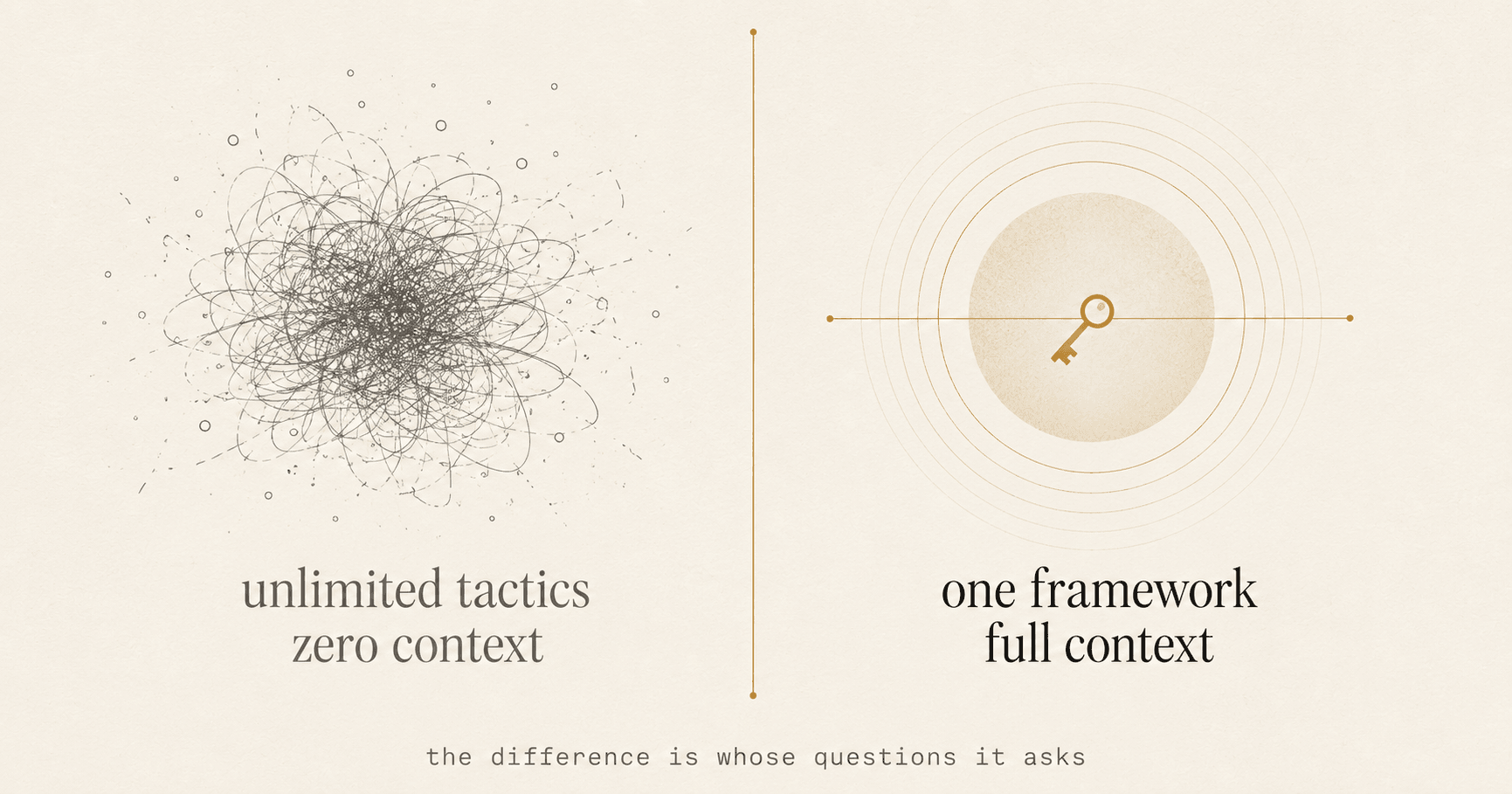
The founder I wrote about in letter #030, the one whose client pushed back on her work using AI output, got hurt by an AI with unlimited tactics and zero context.
My coach client got helped by an AI with one framework and full context: everything he chose to tell it about his program and his delivery.
So we have the same technology with opposite outcome mad the main difference is whose questions it asks.
Look, the majority of your clients (even the best ones) are going to talk to an AI about your program either way. In the car after your call, at 11pm before a renewal decision, during the six days between sessions.
That's already happening, whatever your stance is about AI.
The only open question is whether the AI in that gap knows your framework and their business - or neither.
None of this replaces the human call, by the way. Look at the medical numbers from last letter: patients still went to the appointment.
My clients still book the 1:1, and it's the best version of that call I've ever run, because we spend it on the real work instead of the paperwork.
What changed is what happens around the human.
Most experts I know are bracing against the self-diagnosing client - the one who checks the advice, questions the program, walks in with AI in their pocket.
I chose a different path and gave the diagnosis somewhere to happen with my questions and my framework. Now the exact behavior that's eroding everyone else's authority became the thing that sells mine.
A client who diagnoses himself inside your framework doesn't show up doubting you. He shows up convinced and asking for the plan. That's not a threat to contain, but a sales team you haven't hired yet.
If you're wondering what your version of this could look like (where in your client journey a diagnostic like this would live and what it should hand you before every call) that's exactly the kind of thing we figure out inside the Retention Gameplan.
And you experience it from the client's chair first: Flowie runs your diagnostic before we ever meet, then ninety minutes live with me, then a written 90-day plan. and let's talk…
-Filip Sardi 🌊
PS: The coach from the opening found his gap on a quiet evening, alone, days before I said a single word to him. That wasn't a threat to my expertise or judgement. It was the best preparation either of us could've had.

Frequently Asked Questions
How do you turn the client self-diagnosis problem into a sales asset?
Give the diagnosis somewhere to happen with your questions and your framework. Instead of clients running to generic AI with unlimited tactics and zero context, they diagnose their own business inside your framework with full context. By the time the 1:1 call happens they are already fluent in your model and arrive convinced, asking for the plan. Three of four recent clients reached specific a-ha moments before the first call.
What is the FlowMapper diagnostic tool?
FlowMapper is Filip Sardi's AI diagnostic tool (code name) built inside FlowOS. It runs the Retention Gameplan diagnostic through Flowie, an AI strategist. Instead of a 20-page Google Doc, clients complete a 30-45 minute AI conversation that maps their business against the three places expert-led businesses lose revenue: renewals, upgrades, clients. It compresses hours of prep into a diagnostic clients enjoy taking.
Why does Flowie deliberately NOT give clients prescriptions or plans?
Flowie is programmed to follow, not push. It expands on possibilities relevant to the person's niche and business model but never hands over prescriptions or plans. That constraint is what produces a-ha moments: clients arrive at specific, usable ideas grounded in what they told the diagnostic about their own business, not generic advice with full confidence and zero context.
How does the 1:1 call change when clients self-diagnose first?
By the time the call happens, clients are already fluent in the framework - the three places expert businesses lose revenue - not because they watched an onboarding course but because they diagnosed their own business with it. Minute one of the call is solving. No warm-up, no walk-me-through-your-business. Filip's clients arrive excited, having waited days to discuss what they found. The diagnostic stopped being onboarding. It became the first deliverable.
Is this AI replacing the human coach or consultant?
No. Clients still book the 1:1. They still want the human. What changes is what happens around the human. Just like patients still went to their doctor appointments even after 69% started second-opinioning with AI, expert-led clients still want the call. The AI in the gap between sessions is going to happen either way. The only open question is whether that AI knows your framework and their business - or neither.
Client Flow Letter
If this was useful, the next one will be too.
Retention strategy for coaches and founders — every week. No filler.