My dear Substack friend,
I hope you're having beautiful holidays.
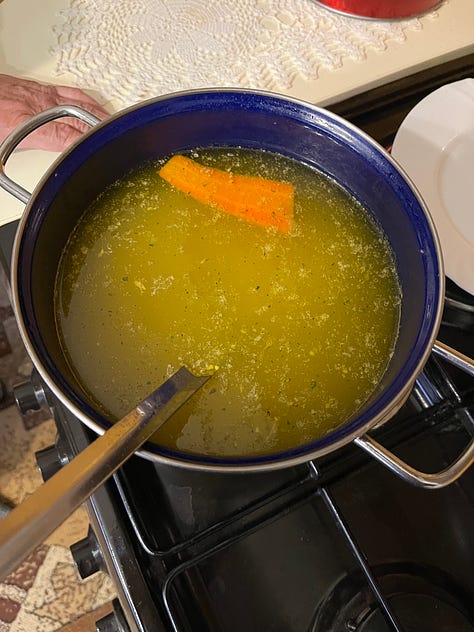
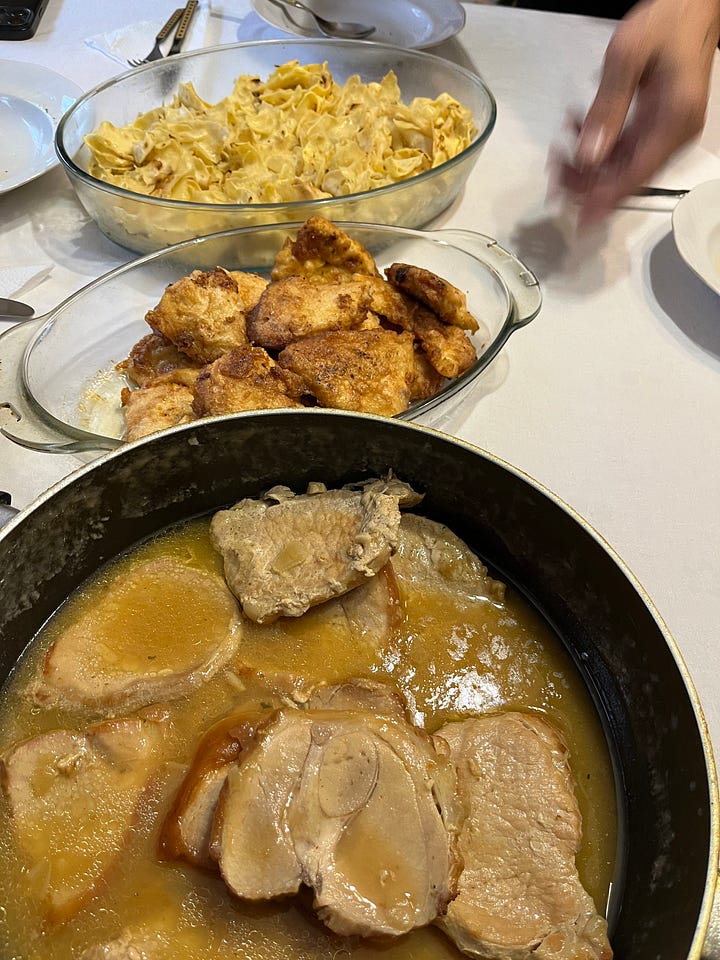
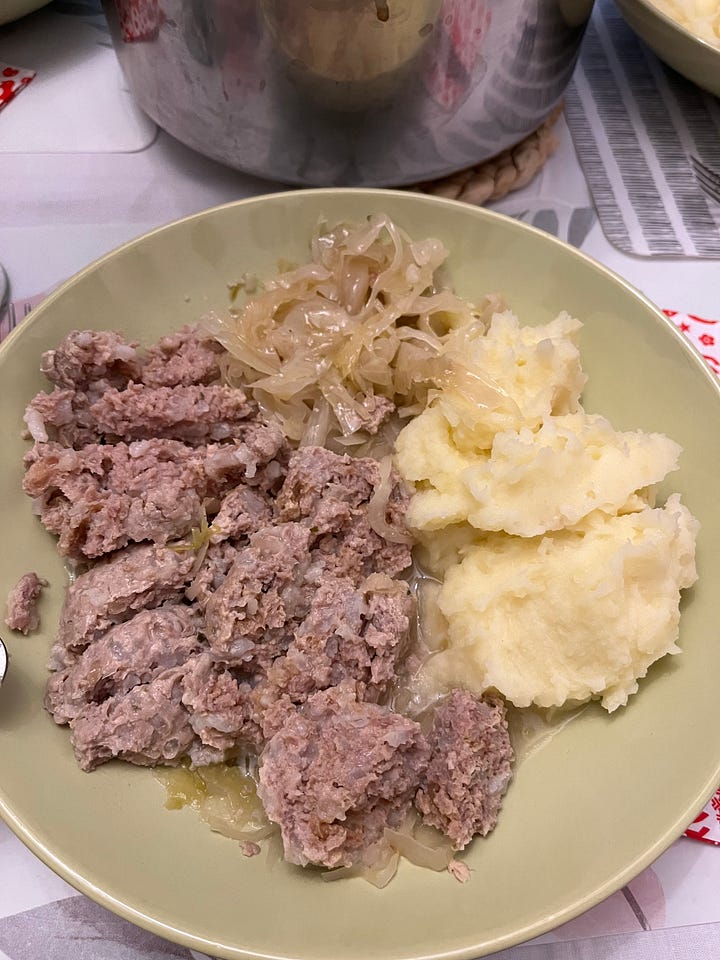
Mine are filled with family time, snow, sarma, and rakija.
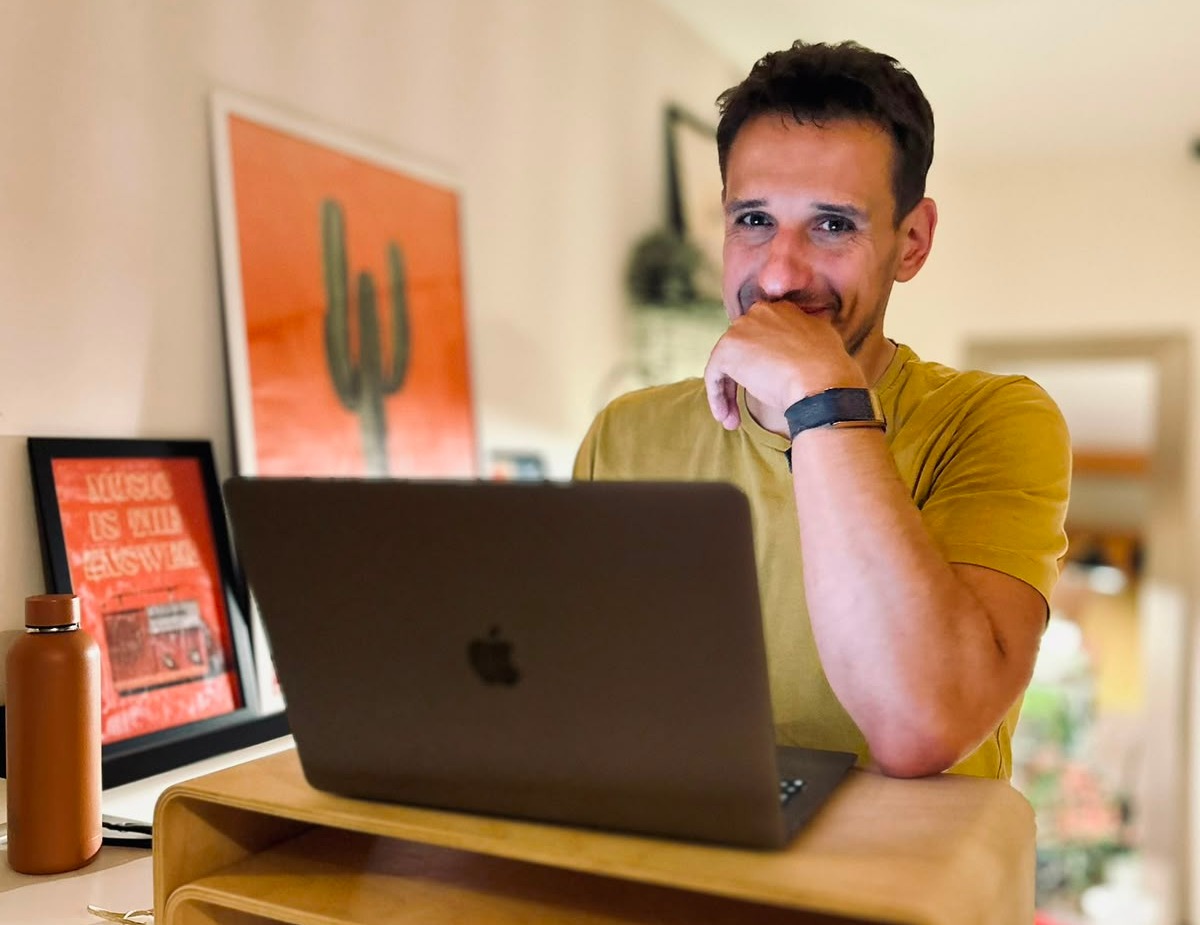
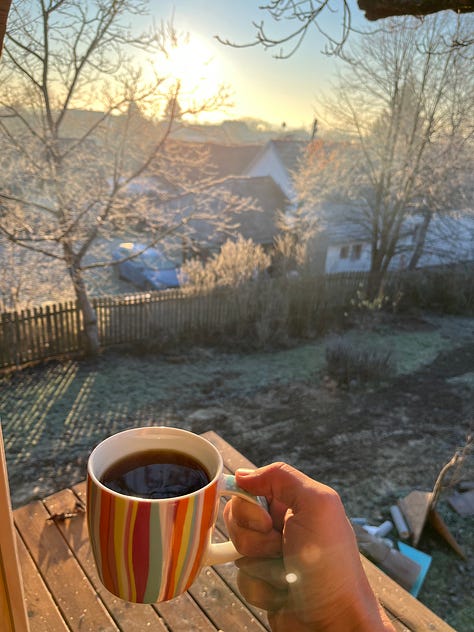
I swapped the Riyadh desert for Croatian fog and -5 degrees, and it's worth it for all the small human connection moments I've been having the past few days.
This 10th weekly letter is also the last one of 2025, so it feels like the perfect moment to connect the dots and share a few of my favorite Substack highlights and people from this year.
Thanks for reading Client Flow!
The people that made this place feel human
The biggest reason I chose Substack as my main virtual home (other than my love for writing) is the kind of normal connection you can still have here.
Here are a few people I got to connect with this year - and who I think you'll genuinely enjoy following.
Phil Powis & Carolina Wilke
Beautiful souls behind the Sacred Business Flow movement, doing big things for thousands of sacred entrepreneurs.
Phil (also known as Mr. Wizard for his tech skills) is a big reason I finally truly committed to Substack (thanks brother!).
Both he and Carolina have a very different take on building a business while still living a fulfilled life. If you start anywhere, start with their Harmony Map assessment, and check out Sacred Business Stories too.
Karen Spinner
Karen writes about AI and documents her journey building useful tools, Chrome extensions, and experiments that actually make you want to play with ideas instead of overthinking them. Follow her and subscribe to Wondering About AI.
Sam Illingworth
Sam's writing (and his Slow AI channel) is one of my favorite balanced takes on AI - not a superfan or a hater. Just grounded thinking about how to use it without losing the human side. Slow AI is currently in my top 3 stacks I read daily.
Sterling
Succinct, thought-provoking notes that actually make me stop and think. More than enough to be a part of the best-of list.
Life in 5D
I love Anna's unfiltered writing about life, soul, and spirituality. Her Life in 5D channel is one of those subscriptions that feels like a weekly exhale.
Orel
Creator of one of my favorite Substack tools, WriterStack - and he documents his The Indiepreneur journey as it happens, including the good and the ugly.
Ruben Dominguez
In-depth writing on VC and AI, with a refreshingly honest look at what's actually happening behind the scenes. Subscribe to his The VC Corner.
If you missed any letters, here's the fastest way to catch up
I'm going to link all nine below, but I also want to give you the "one-minute version" in case you're in a holiday "skim-only" mode.
[001] When your clients forget who they were becoming…
This is the quiet manifesto behind everything I'm building - why great launches still lose people a month later, and why that hurts more than most founders admit. If you only take one line:
Retention isn't a tactic, it's a relationship with someone's future self.
And once you see that, you start noticing the part of the journey almost nobody designs with the same care - the ending.
[002] About goodbyes
This one is about offboarding, renewals, and the goodbyes we avoid until the silence does it for us. If you only take one line:
If you don't design the ending, you teach people to disappear instead of complete the journey.
That thought pulled me into the big trend shaping many conversations (and controversies) right now - AI.
[003] AI won't replace you. It will reveal you.
This is me zooming out on the AI wave and naming what's actually changing in delivery, trust, and attention. If you only take one line:
AI doesn't fix messy thinking - it scales it.
Which led to the practical question I kept running into with clients: how do you stay high-touch without becoming the bottleneck?
[004] High-touch service doesn't mean doing it all alone
This one came from a real client moment - the part they wanted most wasn't more strategy, it was a system that made support sustainable. If you only take one line:
High-touch is not "more of you," it's the right moments delivered consistently.
And once you start building delivery like a system, you can't ignore the bigger market truth behind it - retention is becoming the main game.
[005] Before the retention wave hits your niche
This is my warning shot (and a bit of a love letter) about what happens when a niche matures and clients stop tolerating sloppy post-sale experiences. If you only take one line:
Churn often starts when people lose belief that they're still moving forward.
And that pressure makes founders reach for the most common fix I see - adding more value, which is exactly where things start breaking.
[006] When adding more value starts killing client renewals
This one is about the hidden cost of over-delivery, and the quiet shame it creates when clients can't keep up with the container you built for them. If you only take one line:
People don't stay because you gave them more - they stay because they can feel themselves winning.
From there, I couldn't unsee another shift happening at the same time - what it even means to be an expert when information is everywhere.
[007] From Expert To Curator In The Age Of AI
This is where I name the new client reality: they show up with ten plans, five frameworks, and zero traction. If you only take one line:
The new skill now (Curator) is helping someone choose one path and keep walking it.
And that brought me back to the question founders is trying to figure out in real time: How to use AI in delivery without losing trust?
[008] Keep your hands on the steering wheel
This one is my stance on AI in client care - tools can help, but they can't be the thing clients are actually paying to feel. If you only take one line:
Let AI speed up the work, but don't outsource the judgment and meaning.
And under all the frameworks and systems, there's still one thing that decides whether momentum lives or dies - the micro-win you allow to matter.
[009] The shame of not being proud
This is a personal one - Riyadh mornings, stubborn routine, and the strange relief of keeping a quiet contract with myself. If you only take one line:
If you don't let small wins count, shame fills the space they should've occupied.
Which is why I wanted this recap in the first place.
Looking ahead
I can't wait to share what 2026 brings to your inbox - regular weekly letters, shorter Unfiltered Flow thoughts, and a brand new FlowOS Lab tech series.
I've got a few more surprises too, but I'll leave those for next year.
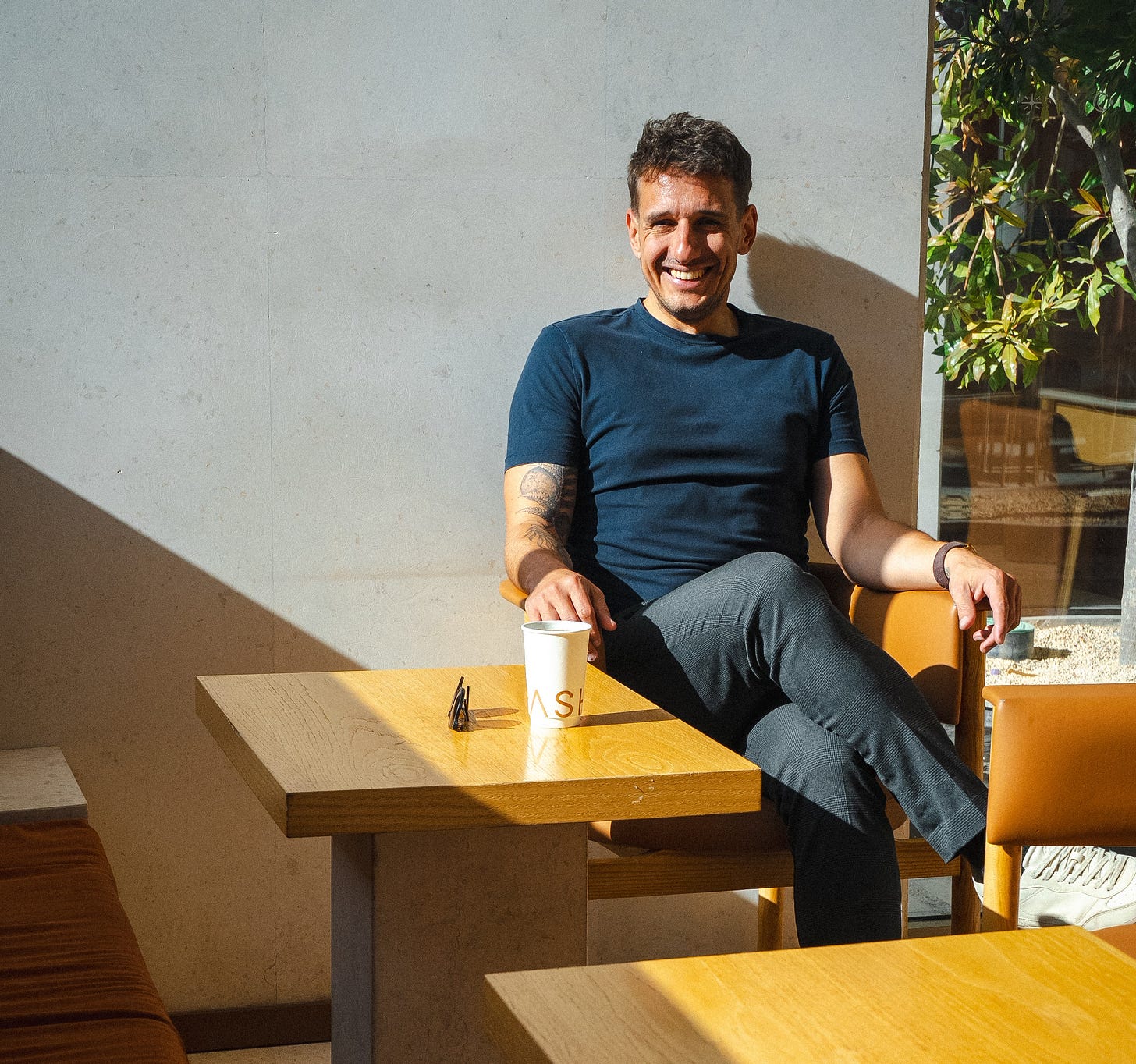
This year reminded me that the internet can still feel like a room with real people in it.
So if you read one letter, replied to one note, or simply stayed close in silence - thank you. I felt it.
If you want to say hi before the year closes, hit reply and tell me one small win you're proud of from 2025.
The kind that doesn't look impressive on paper, but changed something in you.
If a 2025 letter pulled at something and you want a real plan for 2026 - the renewals, the high-touch system, the small wins that compound - that's exactly what The Gameplan is built for. A 90-minute 1:1 retention diagnostic, a guided FlowOS self-assessment beforehand, and a written 60-90 day action plan covering Momentum, Founder, and Upgrade. See you on the Gameplan call.
See you in 2026.
-Filip

Frequently Asked Questions
What was the throughline of Filip Sardi's 2025 Client Flow letters?
Retention as a relationship with someone's future self. Across nine letters Filip moved from the quiet manifesto behind FlowOS, through endings and offboarding, into AI's effect on delivery and trust, and finally to the small wins that keep momentum alive. Each letter built on the last - a connected argument about why post-sale care, designed endings, and human judgment matter more than ever in a market where information is everywhere.
Why does Filip say retention is not a tactic?
Because retention is what happens when a client still believes they are becoming who they came to you to become. Tactics churn-proof the next 30 days. A relationship with someone's future self churn-proofs the next year. Filip frames this as the quiet work most launches skip - designing the ending, the offboarding, the renewal moment - so people complete the journey instead of disappearing in silence.
How does Filip think about AI in client delivery?
Tools can speed up the work, but they cannot be the thing clients are actually paying to feel. AI scales whatever thinking you already have - clean or messy. Filip's stance is to keep human hands on the steering wheel for judgment and meaning, while letting AI handle the parts that do not need a heartbeat. The new core skill is curation - helping someone choose one path and keep walking it.
What does "high-touch without doing it all alone" mean?
High-touch is not more of you. It is the right moments delivered consistently. Filip argues that founders who try to be present everywhere become the bottleneck that kills their own delivery. The fix is to design support as a system - where the human moments land at the right times and the surrounding scaffolding runs without you. That is the architecture FlowOS is built to provide.
Why does over-delivering kill renewals?
Because people do not stay because you gave them more. They stay because they can feel themselves winning. When the container outpaces the client, shame fills the gap - they cannot keep up, they go quiet, and they leave. The fix is to let small wins count. Build delivery around visible progress, not maximum value, and momentum returns on its own.
Client Flow Letter
If this was useful, the next one will be too.
Retention strategy for coaches and founders — every week. No filler.